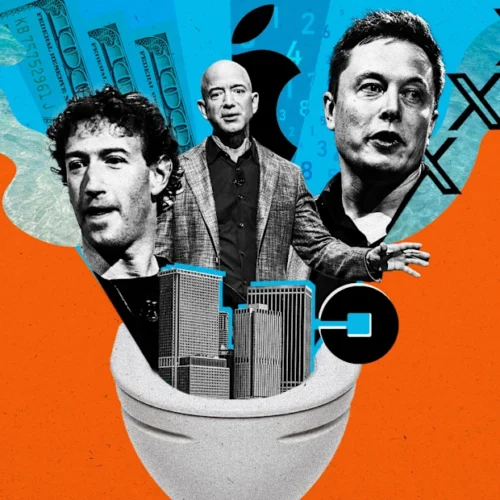
Figure 1: “Enshittification” refers to slang used to criticise the degradation in the quality and experience of online platforms over time, due to an increase in advertisements, costs, or features. Source: Merriam-Webster (2026).
What do Chelsea Football Club, Dude Perfect and Lady Gaga’s “Bad Romance” have in common? Each has passed through the hands of private equity. Chelsea is co-owned by the private equity firm Clearlake, the trick-shot channel took more than US$100 million from Highmount Capital in 2024, and the song sits in a catalogue assembled by a Blackstone-managed fund that was sold to Sony for a reported US$3.5 to 4 billion (Christman, 2026; Fischer & Flynn, 2024; Ingham, 2026; Robson, 2025). Naturally this raises the question of why these assets have caught the attention of PE, and how they fit into private equity’s playbook. It would appear that in the modern day, loyalty has become a financial asset. Streaming data, advertising income and media-rights contracts have turned fandom into cash flows that can be forecast, priced and borrowed against, which is exactly what private equity’s checklist rewards. Yet as the deals multiply, the question of where the line on ownership should be drawn, and how much cultural value is diminished along the way, becomes harder to ignore. This deep dive traces how private equity arrived in entertainment, why these assets suit its playbook, and whether the model should be involved in them at all.
To understand why a trick-shot channel or a catalogue of old pop hits can end up in the same kind of investment memo as an auto-parts supplier, it helps to start with what private equity actually is. At its simplest, it is capital invested in companies that do not trade on a public exchange. That money is raised from pension funds, endowments and wealthy individuals, who act as limited partners, and is put to work by a manager, the general partner, who traditionally charges a management fee plus a share of profits known as carried interest. The industry’s signature move is the leveraged buyout (LBO), in which a specialised investment firm acquires a company using a relatively small portion of equity and a relatively large portion of outside debt (Kaplan & Strömberg, 2009). The model came of age in the 1980s, with its defining moment being a five-week bidding war in late 1988 that ended with Kohlberg Kravis Roberts taking control of RJR Nabisco for roughly US$25 billion, the largest LBO in history for the next seventeen years (Burrough & Helyar, 1990). The targets of that first wave, and of most buyouts since, looked remarkably alike: mature and largely unglamorous businesses that generated steady cash but were thought to be under-managed. The ideal candidate trades cheaply relative to its peers, yet produces strong, predictable cash flows to service the debt and carries little existing borrowing. It also owns assets that can be pledged as collateral, has obvious room for operational improvement and offers a credible exit, whether through a trade sale, a sale to another fund or an initial public offering. Once a deal closes, returns are manufactured through what Kaplan and Strömberg (2009) call financial, governance and operational engineering, which in practice often means more debt, tighter control and lower costs. None of this is romantic. Debt magnifies returns only if the business can reliably pay the interest, so the perfect target is one whose cash flows are boring in the best sense. What has changed in recent years is not the checklist. It is where funds are now finding businesses that satisfy it.
Figure 2: Cover of Fortune magazine, July 4, 1988, featuring KKR partners George Roberts and Henry Kravis, two prominent figures in the leveraged buyout boom of the 1980s. Source: Fortune (1988).
That search is nowhere more visible than on YouTube. Electrify Video Partners raised US$50 million in early 2023 and typically takes around half of an established channel in exchange for cash and a share of profits. In some cases it buys the channel outright. That September it secured a further US$85 million from the private equity fund Capital D (Hale, 2023a, 2023b). Its portfolio includes a stake in Veritasium, the science channel run by Australian physicist Derek Muller (Gutelle, 2023). Larger cheques have followed. In 2024, Highmount Capital invested more than US$100 million in Dude Perfect, a company whose revenue was expected to top US$50 million that year (Fischer & Flynn, 2024). The plan is to turn the trick-shot channel into a consumer brand, with a retail store, a streaming platform, toys and even a proposed theme park, all under a long-term hold structure rather than a quick resale (Vallese, 2024). Across the sector, one estimate puts collective private equity spending on YouTube channels at around US$4 billion. Because there is no requirement to disclose these deals, the true figure is likely higher, and many viewers have no idea who owns the channels they watch (Stojkov, 2025). The appeal fits the old checklist almost perfectly: recurring advertising income, years of audience data and almost no physical assets to maintain. The catch is the key-person risk. If the face on camera leaves, most of the asset leaves with them.
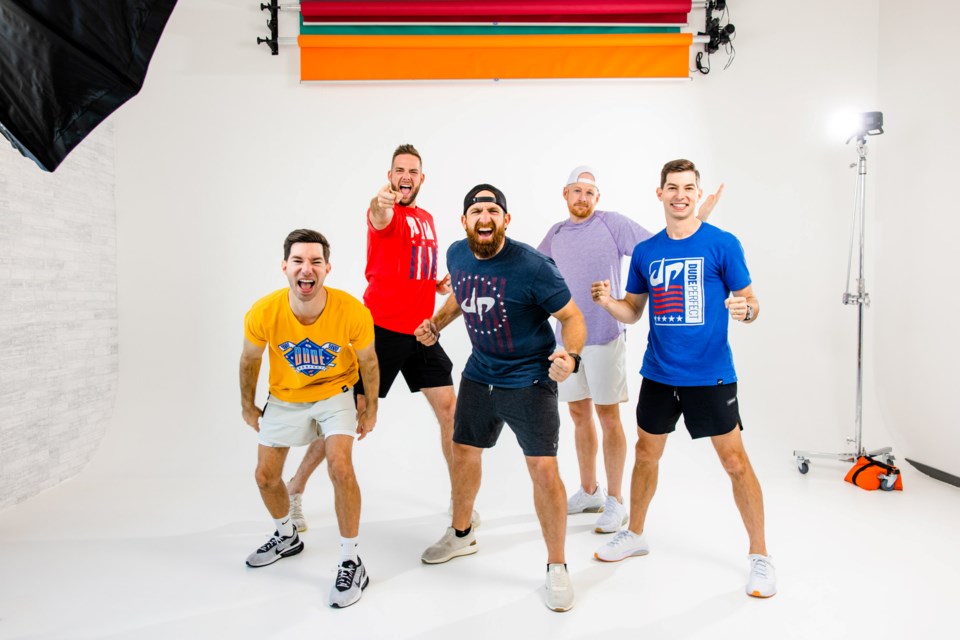
Figure 3: Dude Perfect, the YouTube group that secured over US$100 million in investment from Highmount Capital in 2024. Source: Local Profile (2024).
In sport, platform decay looks like a club’s supporters being treated as a revenue line, with the biggest spenders becoming the customers who matter. This is clearly seen in PE’s move into club ownership. When Todd Boehly and Clearlake bought Chelsea in 2022, 60% of the funding came from Clearlake. PE playbooks rely heavily on debt and work in shorter time horizons (More Than A Game, 2026), in the hope of providing higher returns to investors. Supporters have felt this impact through the steady increase of ticket prices (Robson, 2025). Recently, Boehly sold his share, handing Clearlake full control but making only a slight profit for Blueco/Boehly. This shows where the club is heading: as the hub of a multi-club network. Chelsea acquired Strasbourg FC in 2023 (More Than A Game, 2026), with Boehly describing the purchase as an opportunity to give younger players a chance to break into the Chelsea team. This model is becoming increasingly common in soccer, as seen with the Red Bull Group (RB Leipzig, RB Salzburg) and the City Football Group (Manchester City, Girona, Troyes). These models are purely for financial purposes, as clubs at the top of these groups (Chelsea, Leipzig, Manchester City) are able to sign talent for lower prices and develop them at their feeder club, rather than signing established players for a higher price. This model has virtually no benefit to fans and the culture of the club. Many Strasbourg fans have criticised the club’s decision to become a feeder club to Chelsea (More Than A Game, 2026). Analyst Kieran Maguire has compared Chelsea’s approach to a hedge fund, constantly moving portfolio assets rather than committing to the club. A club’s worth to its own supporters becomes secondary to portfolio returns. This is incredibly alarming for many sports fans; not many clubs are willing to sacrifice financial success to maintain club integrity and culture, so similar takeovers in the near future are expected.
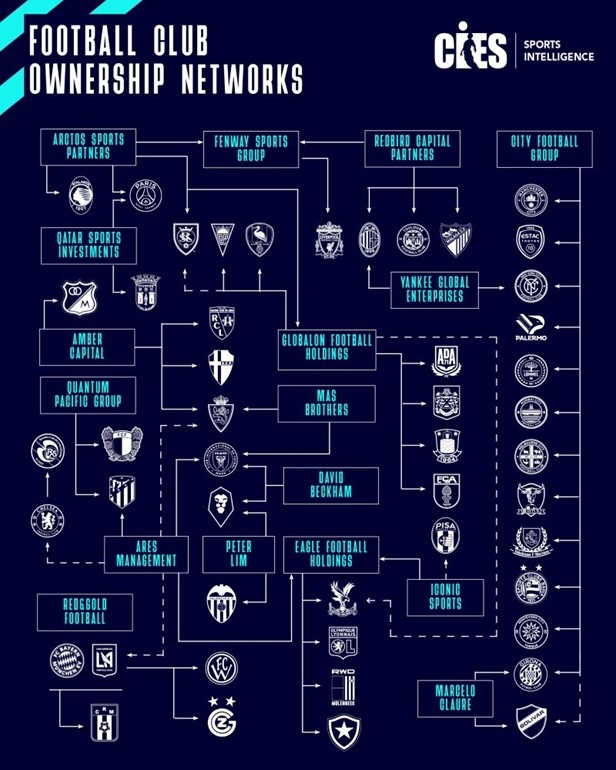
Figure 4: The rise of multi-club networks has angered many soccer fans, who argue that it restricts culture and individuality. Source: The Football Week (2025).
Over the past two decades, the music acquisition business has been booming, with music intellectual property rights moving from isolated artist-led deals, such as David Bowie’s securitisation in 1997, to catalogue sales estimated at US$300–550 million for artists like Bob Dylan and Bruce Springsteen (AltStreet, 2026; Goeggel, 2025). Every commercially released song has two separate rights attached to it: the composition rights and the master rights. These rights can generate royalties through a host of different streams that are attractive for investors looking to become rights holders, such as performance, synchronisation, reproduction, broadcasting and, importantly, streaming (Nutting, 2024). Once streaming allowed per-stream royalty data to be modelled with greater certainty, an estimated US$23.1 billion was spent on music rights acquisitions between 2019 and 2025 (Tschmuck et al., 2026).
Hipgnosis, now Recognition Music Group, helped pioneer the aggressive playbook of buying music IP as a yield asset. It assembled more than 45,000 songs through peak-era acquisitions priced on stable royalty forecasts, such as Beyoncé’s “Single Ladies”, Lady Gaga’s “Bad Romance” and Fleetwood Mac’s “Go Your Own Way” (Christman, 2026). In 2026, the Blackstone-managed fund sold the catalogue to Sony Music Publishing and GIC for a reported US$3.5 to 4 billion (Ingham, 2026).
Consolidation has followed across the sector. In July 2026, Primary Wave acquired Kobalt at an estimated US$1.5 billion, creating a business reportedly worth US$7 billion in assets (Robinson, 2026). What’s notable about the current day is that music IP is often passed through financial hands first: sponsors assemble catalogues, sell them to one another or to strategic buyers, and a small circle of institutions now touches most of what changes hands. This raises the question of whether private equity is a permanent owner of music or a transitional one.

Figure 5: Merck Mercuriadis, the CEO of Hipgnosis Songs Fund, who pioneered the aggressive music IP acquisition wave. Source: Berg (2021).
Across sports, music and YouTube, private equity is drawn to a shared financial property: assets whose income is contracted, scarce or recurring enough to be treated like an annuity. What separates the three sectors isn’t the fundamentals of the investment per se, but rather how each sector’s cash flows are priced, and how much of that pricing the investor can influence. Private equity’s growing presence in these sectors coincides with a quiet shift in how the assets are valued. In each case, valuation has moved from narrative and growth towards standardised, cash-flow-based methods. Put simply, an asset becomes investable once it becomes priceable using these methods.
Sports franchises were historically valued almost entirely on revenue multiples, with returns coming from asset appreciation (PricewaterhouseCoopers, 2024). That framework is now widening. Feria (2026) argues that media rights, digital engagement and global brand monetisation increasingly drive value, and that discounted cash flow analysis should sit alongside market comparables, as seen in the shift from revenue-based towards profitability-based valuation, with investors targeting stadium districts and surrounding real estate to diversify income.
That widening reflects how hard franchises are to value with standard tools. Many teams are EBITDA-negative, so an income approach built on forecast earnings and a residual sale value struggles to explain what buyers pay, and earnings multiples are often meaningless. Valuers therefore still lean on the market approach, pricing a franchise off precedent transactions (Harris et al., 2023).
The recent figures show how far that logic has run. The average NBA team traded at 12.9 times trailing revenue last year, yet the US$10 billion Mark Walter paid for the Lakers in 2025 was about 18 times, and the team has since been agreed for resale at US$12.5 billion (Tucker, 2026). That second sale came just 14 months later (Tennery, 2026). Media rights underpin the climb. The NBA’s new US$76 billion, 11-year package lifts annual media income from US$2.6 billion to US$6.9 billion, an increase of 165% (Scrimgeour, 2024). Leagues now admit funds to share in this, capped at 20% in the NBA and MLB and 10% in the NFL (Horney & Roberts, 2026). The change is therefore less in method than in the assumptions feeding it, since returns depend heavily on the multiple holding.
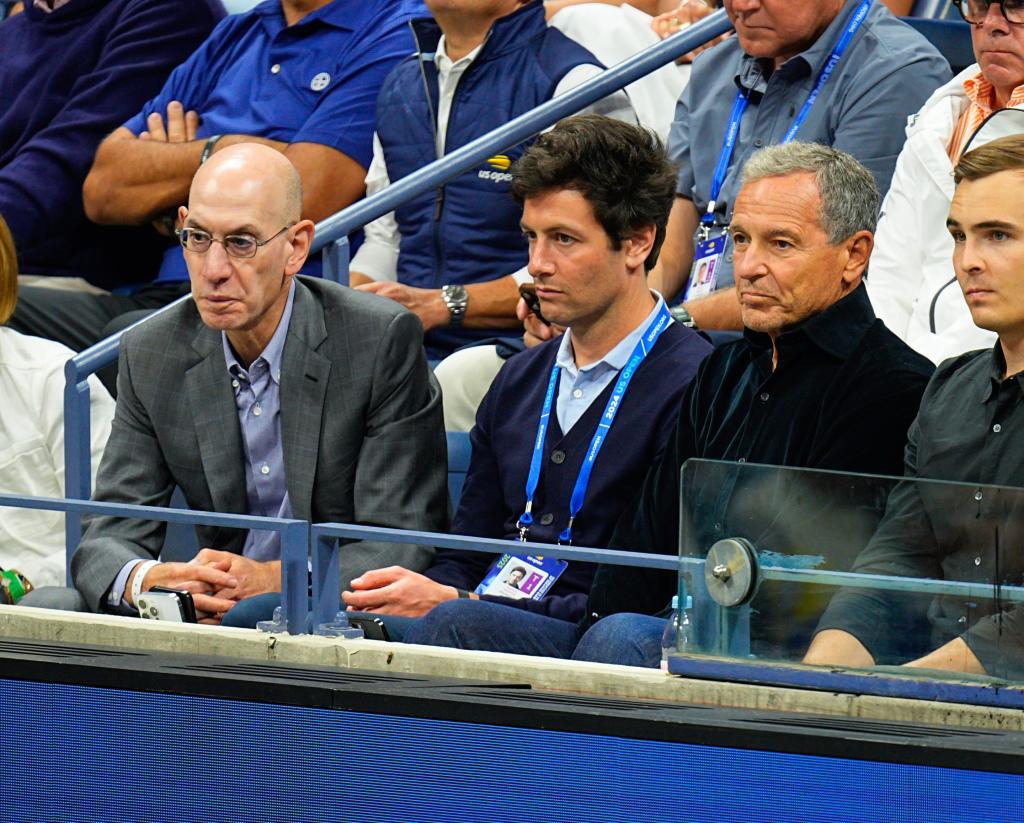
Figure 6: The new owners of the LA Lakers, who bought the franchise for US$12.5 billion just 14 months after its most recent sale. Source: Gioino (2026).
The investment case for music rests on how its cash flows are priced. Catalogues are typically valued as a multiple of recent income (Music.co.uk, 2026), but the underlying value depends heavily on chain of title, termination rights and royalty waterfalls, which Love et al. (2026) describe as inseparable from financial diligence. Diversification is the central attraction. Peukert et al. (2026) measure the market sensitivity of royalties at a beta of roughly 0.07, and rights endure for the artist’s lifetime plus 70 years (Nutting, 2024). However, Cotter et al. (2025) found that the Music Royalty Index’s correlation with equities rose from -0.56 to 0.36 between 2019 and 2024, suggesting that the more music is financialised, the better investors are becoming at pricing these assets like fixed-income securities.
Securitisation is the crux of private equity’s interest in music. Bowie’s 1997 bond raised US$55 million against the royalties of 287 songs at a 7.9% coupon, above the 6.37% ten-year Treasury yield, before Moody’s downgraded it as piracy eroded album sales (Goeggel, 2025). Streaming instead revived the model, as landmark transactions include Concord’s US$1.8 billion A+ rated deal and a US$1.47 billion Hipgnosis securitisation backed by 45,000 songs, and a record US$4.4 billion of music-backed debt had been raised by September 2025 (Goeggel, 2025). Fractional marketplaces such as Royalty Exchange extend access to smaller investors who also want a piece of the pie by buying fractional IP rights to future royalty streams (Tschmuck et al., 2026). However, the efficacy of this model remains contested. EY flags AI-generated music, changing platform payouts and revenue concentration for a few artists as threats to predictability (Goeggel, 2025). Legiedz and Galuszka (2024) warn of overvaluation and a potential bubble, and that private-equity-backed firms capture most of the benefit over artists themselves.
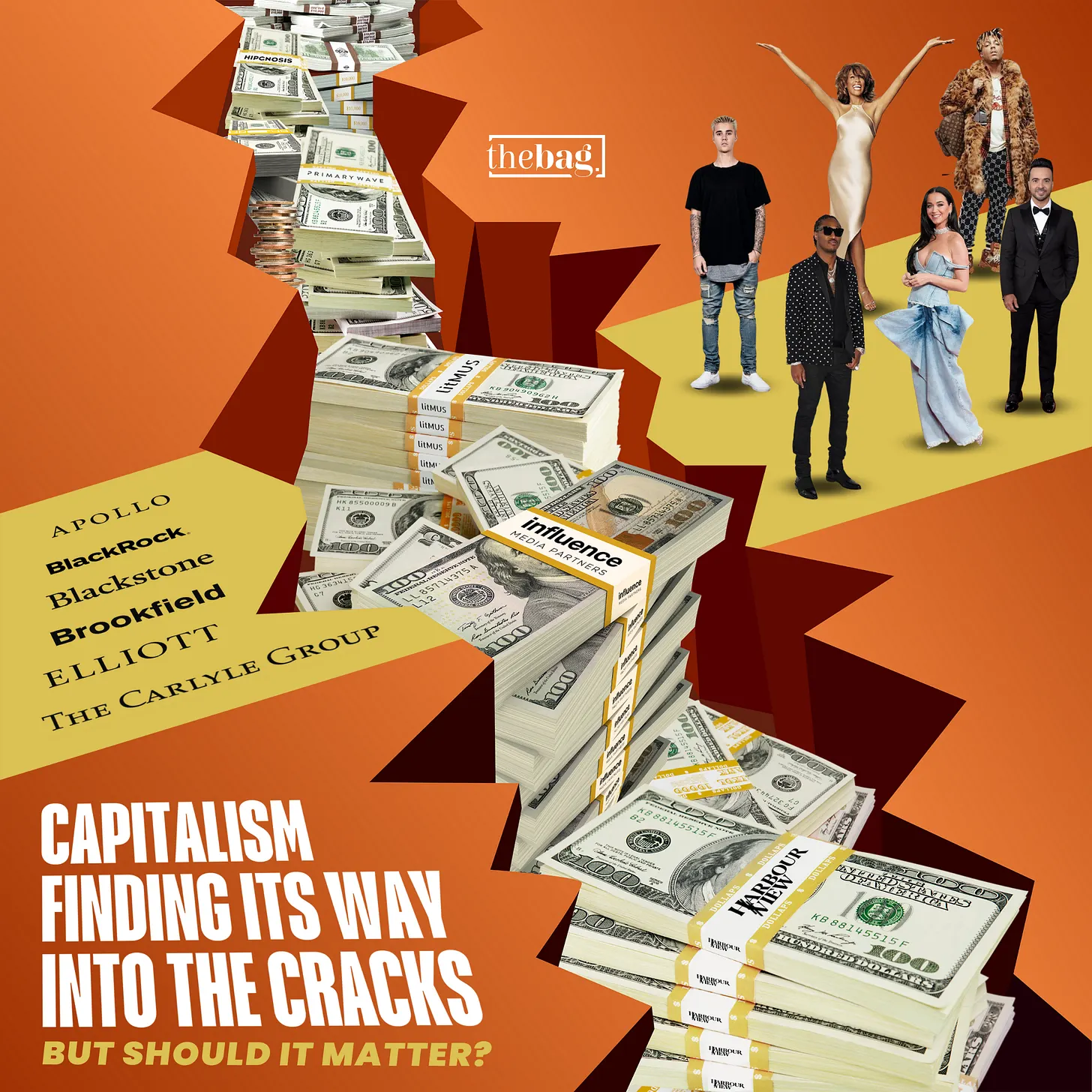
Figure 7: The PE firms investing in music following modern, streaming-induced valuation methodologies. Source: McCartney (2024).
Creator media was the least standardised asset of the three. Erwin (2026) describes a move away from valuations based on buzz and subscriber counts, as public buyers disclose purchase prices, EBITDA multiples and earnout terms. This is narrowing the gap between founders expecting 20 times revenue and buyers offering six times EBITDA.
That gap largely reflects how much value depends on one person. A YouTube channel can be valued with the same two tools, either forecasting and discounting its cash flows or applying a multiple to its earnings. The key person must then be priced in. Appraisers either value the business twice, with and without that person, or deduct a key-person discount, usually 15–20% or more, within a 10–25% range attributed to Shannon Pratt (as cited in Damodaran, 2023). Buyers also restructure deal terms rather than relying only on a lower price (Focus HR, 2026).
Marketplace data shows this in practice. According to Flippa (2026), channels typically sell for 12–36 times monthly profit, with evergreen content at 24–36 times against 12–20 times for trending formats. Personality-led channels face a 10–30% discount to faceless ones, and channels with four or more revenue streams, none above 40% of income, earn premiums. Buyers are therefore paying for what can be separated from the creator, which probably explains the partial stakes and profit-sharing structures seen earlier. The cultural cost is that the features that raise a channel’s value are the same ones that make it less personal.
Private equity’s reach into YouTube, music and sport clubs puts everyday culture under a financial microscope. Culture runs on creativity, trust and loyalty, which are hard to manufacture financially. Once the masses see the change, backlash is inevitable. The loss of fan involvement in soccer, along with the inflation of the transfer market, has caused fans to grow tired, expressing their dissatisfaction in stadiums and through online forums. Similarly in the music industry, complaints that PE-backed firms capture more of the benefits than artists have been growing. Most recently, UEFA threatened to boycott a plan for FIFA to sell stakes in the World Cup to private equity investors, a threat that worked to great effect (BBC, 2026). Contrastingly, on YouTube there is less backlash, as many viewers are unaware of the PE takeovers (Stojkov, 2025). Many argue that culture also requires capital. That is true; however, it is the scale that most are dissatisfied with. Clubs may become interchangeable portfolio assets, and creators may be managed as brands.
Figure 8: Gianni Infantino will not go ahead with selling stakes in the World Cup, due to huge social backlash. Source: BBC (2026).
Oversight has varied across these fields. Currently, sport has the strongest framework. England’s new independent regulator runs a statutory ownership test and can ban unsuitable owners, forcing them to sell their stake (Dechert LLP, 2026). The German league’s 50+1 rule prevents outside investors from taking majority control of clubs, so that members keep majority voting power (Bundesliga, 2024). Additionally, the NBA and MLB cap fund ownership at 20% (Horney & Roberts, 2026). Music relies on general merger control, but nothing targets private equity’s role in catalogues. The YouTube industry has virtually no oversight, as regulations do not require acquisitions to be disclosed (Stojkov, 2025). This shows that, unfortunately, the protection of culture varies by industry, and has a long way to go as a whole.
If regulation is catching up, the market has already made up its mind. A loyal fanbase, a favourite song and a trusted YouTuber were once valued only by the people who loved them; now they are priced as cash flows, levered and sold on. That is not all bad, as capital can fund better content, stadiums and catalogues. But private equity’s checklist rewards whatever can be separated from the people who created it, and culture has rarely worked that way. The question is not whether these funds will keep buying, but what we will still recognise once they sell.
Aswath Damodaran. (2023, December 10). The difference makers: Key person(s) value [Article]. LinkedIn. https://www.linkedin.com/pulse/difference-makers-key-persons-value-aswath-damodaran-mup0c
Berg, M. (2021, February 24). Meet music’s most hated man—And its top dealmaker. Forbes. https://www.forbes.com/sites/maddieberg/2021/02/24/meet-musics-most-hated-man-and-its-top-dealmaker/
Bundesliga. (2024). Explaining the bundesliga’s 50+1 rule. Bundesliga.Com – the Official Bundesliga Website. https://www.bundesliga.com/en/faq/what-are-the-rules-and-regulations-of-soccer/50-1-fifty-plus-one-german-football-soccer-rule-explained-ownership-22832
Christman, E. (2026, May 11). Sony Music Publishing acquires Recognition Music Group’s complete catalog. Billboard. https://www.billboard.com/pro/sony-music-publishing-acquires-recognition-catalog/
Dragomir Stojkov. (2025, July 25). Private equity firms accelerate YouTube channel acquisitions. Net Influencer. https://www.netinfluencer.com/private-equity-firms-accelerate-youtube-channel-acquisitions/
Erwin, C. (2026, January 9). 2026 Creator M&A outlook: Entering the ‘sophomore year’ – RockWater. RockWater. https://wearerockwater.com/2026-creator-ma-outlook/
Feria, D. (2026, August 10). Why the modern sports franchise requires a new valuation playbook. Andersen. Andersen.Com. https://andersen.com/resources/why-modern-sports-franchise-requires-new-valuation-playbook
Focus HR. (2026, July 3). Key-person risk: The quiet deal killer. Focus HR Inc. https://focushr.net/key-person-risk-the-quiet-deal-killer/
Game, M. T. A. (2026, March 6). Multi-club ownership models: The good, the bad and the flakey (part three). More Than A Game. Substack.Com. https://mtag.substack.com/p/multi-club-ownership-models-the-good-3fa
Gioino, C. (2026, August 12). Bob Iger and Josh Kushner buy the LA Lakers for a record-breaking $12.5 billion, uP 25% in just the 14 months since Mark Walter bought them. Fortune. https://fortune.com/2026/08/12/jerry-buss-lakers-hollywood-bob-iger-josh-kushner/
Harris, J., Ryu, L., & Marco D'elia, C. (2023). Valuation of sports teams and franchises. https://cbvinstitute.com/wp-content/uploads/2023/07/CBV-Insights-Valuation-of-Sports-Teams-and-Franchises.pdf
Horney, B., & Roberts, D. (2026, September 23). MLB Raises Private Equity Ownership Limit to 20%. Front Office Sports. https://frontofficesports.com/article/mlb-raises-private-equity-ownership-limit-to-up-to-20-percent/
Ingham, T. (2026, July 15). Done deal: Sony Music Publishing completes acquisition of Recognition Music Group’s catalog. Music Business Worldwide. https://www.musicbusinessworldwide.com/done-deal-sony-music-publishing-completes-acquisition-of-recognition-music-groups-catalog/
Love, J., Sessa, S. E., Rozental, A., Sheaffer, C. M., & Dunitz, A. (2026, May 20). Music as an asset class: Why PE continues to deploy capital into music rights. Reedsmith.Com. https://www.reedsmith.com/articles/private-equity-behind-the-scenes/music-as-an-asset-class-why-pe-continues-to-deploy-capital-into-music-rights/
McCartney, N. (2024, April 10). A review of the funds in the music rights acquisition space. The Bag. Substack.Com. https://thebag.substack.com/p/a-review-of-the-funds-in-the-music
Merriam-Webster. (2025). Enshittification. Merriam-Webster.Com. https://www.merriam-webster.com/slang/enshittification
Music catalog valuation methodologies. (2025, January 17). AltStreet. https://altstreet.investments/reference/risk/music-catalog-valuation
Music.co.uk. (2026, June 8). Catalogue acquisition: Who’s buying British songbooks. Music.Co.Uk. https://music.co.uk/get-heard/follow-the-money/catalogue-acquisition-whos-buying-british-songbooks-16765.html
Natoff, D. (2026, April 7). The UK football governance act 2025: Key changes for owners and investors. Dechert. Dechert.Com. https://www.dechert.com/knowledge/onpoint/2026/4/the-uk-football-governance-act-2025–key-changes-for-owners-and-.html
Nutting, E. (2024). More than a feeling: Exploring the drivers of music catalog values. Scholarship @ Claremont. https://scholarship.claremont.edu/cmc_theses/3482/
Peukert, C., Cuntz, A., & World Intellectual Property Organization. (2026). Measuring IP finance and investment in the Music Industry Economic Research Working paper no.99. WIPO Knowledge Repository, 99. https://doi.org/10.34667/tind.59374
PricewaterhouseCoopers. (2024). Private equity and the future of NFL ownership: PwC. PwC. https://www.pwc.com/us/en/industries/tmt/library/private-equity-in-sports.html
Robinson, K. (2026, July 7). Primary wave closes Kobalt Acquisition, creating a $7B indie powerhouse. Billboard. https://www.billboard.com/pro/primary-wave-closes-kobalt-acquisition/
Robson, J. (2025). Chelsea’s US private equity owners were once ridiculed. Now opinions are changing. ksl.com. Kslcom. https://www.ksl.com/article/sports/soccer/chelseas-us-private-equity-owners-were-once-ridiculed-now-opinions-are-changing/51394984
Scrimgeour, P. (2024, October 3). NBA nets more media value with new domestic rights. Sportcal. https://www.sportcal.com/analyst-comment/nba-nets-more-media-value-with-new-domestic-rights/
Sven Goeggel. (2025, December 15). Music isn’t just art – it’s capital. Ey.Com. https://www.ey.com/en_ch/insights/assurance/music-royalty-securitization-turning-music-catalogs-into-assets
Tennery, A. (2026, August 14). More, more, more: Lakers deal is the latest in sports gold rush. Reuters. https://www.reuters.com/legal/transactional/more-more-more-lakers-deal-is-latest-sports-gold-rush-2026-08-14/
Tschmuck, P., Collopy, D. P., & Handke, C. (2026). IP finance in the music industry (No. 6312322). SSRN. https://doi.org/10.2139/ssrn.6312322
Tucker, H. (2026, August 13). Why the lakers’ record $12.5 billion sale resets the market for sports teams. Forbes. https://www.forbes.com/sites/hanktucker/2026/08/13/the-los-angeles-lakers-record-125-billion-sale-resets-the-market-for-sports-teams/
YouTube channel worth calculator – flippa. (2026, January 7). Flippa. https://landing.flippa.com/youtube-channel-worth-calculator/
The CAINZ Digest is published by CAINZ, a student society affiliated with the Faculty of Business at the University of Melbourne. Opinions published are not necessarily those of the publishers, printers or editors. CAINZ and the University of Melbourne do not accept any responsibility for the accuracy of information contained in the publication.