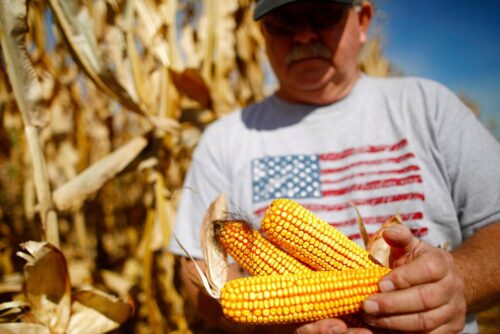
 Figure 1 – The US-Iran War has significantly impacted the global corn industry
Throughout history, corn has been a crop of remarkable significance, and it remains one of the world’s most important grains today. Whilst being used as a food source for humans and livestock alike plays a key role in this, corn is also a crucial component in many other applications, such as producing corn syrup and starch, as well as valuable ethanol fuel. In light of this, the recent conflict in the Middle East has put corn in a dangerous position due to the major disruption of fertiliser supply, which may have serious ramifications across all these other industries.
Last year, it was forecasted that by 2026, the United States, China, and Brazil would become the three largest producers and consumers of corn globally, whilst the US, Brazil, Argentina, and Ukraine would provide 88% of corn exports around the world. Meanwhile, the five largest importers of corn were forecasted to be Mexico, the European Union, Japan, Vietnam, and South Korea. Within this global trade environment, Australia imports corn from the US as well, but to a much smaller, albeit still significant, extent, having imported $2.88 Million USD worth of the crop in 2025 out of a total of $16.35 billion USD in global US exports.
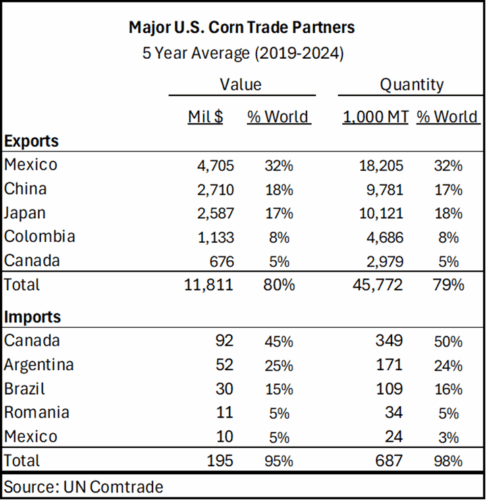 Figure 2 – Major players in the world corn market
From the perspective of human consumption, corn syrup is a key ingredient in household favourites such as Skittles, Nerds, Gummy Bears, sugary drinks, and many others, primarily originating from the United States. However, Australians may be glad to hear that corn syrup is not often used for these when produced domestically, with cane sugar or glucose syrup (which can be made from corn but is not exclusive to this grain) being the alternative. Nevertheless, a disruption in the production of corn could see a decrease in the production of corn chips, cereals, and countless takeaway foods that require cornflour, from sweet and sour chicken to breakfast burritos.
 Figure 3 – Corn syrup is an essential ingredient of American sweets
Aside from popular human consumption, corn is also the grain that is primarily used to feed livestock within the US, amounting to 95% of feed grain use, and China, in supporting their pig farm industry, the largest worldwide.
Meanwhile, a much more crucial usage of corn appears in the production of ethanol fuel, a cleaner alternative to gasoline, and hence useful in reducing greenhouse gas emissions. In this respect, the United States and Brazil are leading the industry in the production of ethanol fuel, although Brazil does not solely rely on corn here, utilising sugar cane as an alternative to a large extent as well.
Corn has been an integral crop for over 10,000 years, and was first domesticated in Mesoamerica by native people to South Mexico from teosinte, a wild tall grass. Teosinte had smaller, harder kernels, which indigenous farmers selectively bred to produce modern corn. Commonly, corn was cultivated alongside squash and beans in the ‘three sisters’ of indigenous American agriculture, where corn provided a structure for beans to climb, beans enriched the soil with nitrogen, and squash helped retain moisture and suppress weeds. As these indigenous groups migrated and developed trade networks across the continent, they brought corn to other societies, becoming a staple part of food and agriculture in the Mayan and Aztec civilizations. Here, the Mayans even believed that people were formed by the gods from corn, flour, and water. Eventually, corn would constitute up to 60% of various indigenous American diets.
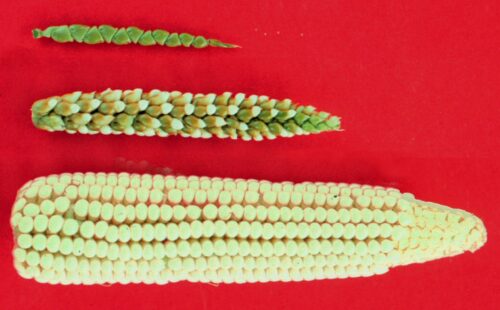 Figure 4 – Development of corn from Teosinte
Following this, during the Spanish colonisation of the Americas, corn became one of the items bought back to Europe. Specifically, the Columbian exchange that bridged South America to Europe, Asia, and Africa introduced corn as a global commodity, with Christopher Columbus bringing kernels of corn to Europe in his second expedition in 1496. From there, the crop diffused across the continent and became increasingly popular by the 1500s. In Italy, corn was used to make polenta, whilst at the same time, it was being used in subsistence farming across Eastern Europe. Meanwhile, Portugal is widely believed to have introduced it to China and India, and the Dutch to Indonesia and the Philippines.
Notably, corn primarily became popular amongst poorer communities because of its accessibility and high yields. Due to its stability and versatility in growing, the crop became a vital food source for communities around the world. In the 19th century, corn became central to the rise of industrial agriculture in America. Hybrid corn was then developed in the 1930s, which allowed the already stable and large-yielding crop to produce more nutritious and drought and disease-resistant crops. By the end of World War II, synthetic fertiliser and innovations in irrigation further eased the process, and a ‘corn belt’ across the US’s Midwest became one of the largest global producers of corn.
In modern times, corn has also been growing as a fuel source. Ethanol was first experimented with in early 1908 by Ford as an alternative to gasoline, but was cut short due to unfeasible production costs. However, during the 1970s fuel crisis, people turned towards ethanol and biofuels as a valuable substitute for scarce gas. In 1978, the United States legislated tax incentives for ethanol production, removing the existing economic barriers. Strikingly, there have been some protests against this use of corn since then, as the amount used to power cars in the United States each year is now enough to feed 350 million people.
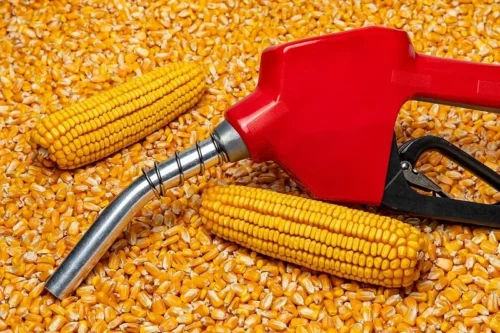 Figure 5 – Corn has gradually become increasingly used to produce ethanol fuel
Taking into account the sheer significance of the global corn industry, this has placed immediate pressure on global markets when the Strait of Hormuz was closed in early March due to the US-Iran war. Specifically, expected disruptions to both production schedules and supply chains for key ingredients in nitrogen fertiliser for the crop, such as urea, have a terrible potential to cause substantial problems in the industry.
Within the first two days of March, prices soared 25 percent, and since then have continued to rise to an average monthly price of $690 USD per tonne, highs which have not been seen since the initial breakout of the Russia-Ukraine conflict in 2022. As a result, effects were felt almost immediately, with farmers across several countries beginning to replace their corn-dominated crops with ones less dependent on urea fertiliser, such as soybeans or sunflowers, or making the choice to simply apply less fertiliser. Meanwhile, a similar story has played out domestically within Australia as well, with Australian farmers being forced to absorb costs and work around supply fluctuations heading into the peak fertiliser usage season in winter. Worryingly, margins for farmers are expected to slim even further this coming winter as a result, and costs may be passed further down the supply chain if the conflict extends long enough.
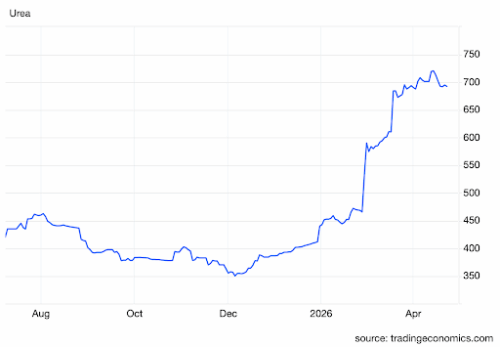 Figure 6 – Price chart depicting the price of Urea fertiliser, in USD/tonne
Overall, the long-term outlook for corn, as well as the entire ecosystem of byproducts that depend on it, is extremely uncertain. Therefore, sentiments expressed by those within the supply chain, as well as commodities experts, greatly vary. To many, it may seem like current conditions will create the perfect disaster; fertiliser prices rise, causing corn prices to jump, and then oil, and then fertiliser again, creating a cycle that could bring catastrophic results. If left unchecked, this would likely produce several knock-on effects based on similar past events, with notable examples including food security risks in developing import-dependent countries such as Egypt, as well as a race to reconsider the need for corn as a crop for food or fuel. For specific countries, this may cause even more complications depending on their capabilities to find and implement alternatives effectively.
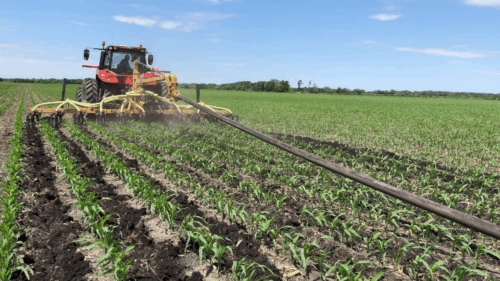 Figure 7 – The fertilisation process of corn crops
Fortunately, however, many optimistic views also exist to contrast the otherwise bleak views. One such optimist is University of Sydney associate professor David Ubilava, who states that for Australian consumers, the prices they pay for goods derived from agricultural inputs are largely related to other factors such as weather and processing costs, and hence prices are unlikely to have long-term impacts. Meanwhile, in the US, a pivot is also already underway, with efforts being put towards both synthesising fertiliser locally and seeking alternative fertilisation techniques.
Overall, a comforting fact for many remains that since markets have been able to recover from an even worse fertiliser crisis at the outset of the Russia-Ukraine war, a recovery is sure to be on the horizon here too, despite the looming possibility of disaster.
Corn is one of the most versatile and unique assets to the human race, not only from the pivotal role it plays in ancient societies such as the Mayans and the Aztecs, but even more so from its multi-dimensional usage in the modern age as a source of food, fuel, and animal feed. Therefore, shocks created in the supply chain of corn, such as the current fertiliser shortages from the Strait of Hormuz blockade, not only travel far to the many dependent countries that depend on corn, but also present dangerous opportunities to create both economic and humanitarian chaos. Despite this, a significant amount of expert optimism still exists. With both positive and negative outcomes appearing somewhat likely, it should be of utmost importance to monitor the situation closely and for governments and industry leaders to respond early when required.
The CAINZ Digest is published by CAINZ, a student society affiliated with the Faculty of Business at the University of Melbourne. Opinions published are not necessarily those of the publishers, printers or editors. CAINZ and the University of Melbourne do not accept any responsibility for the accuracy of information contained in the publication.