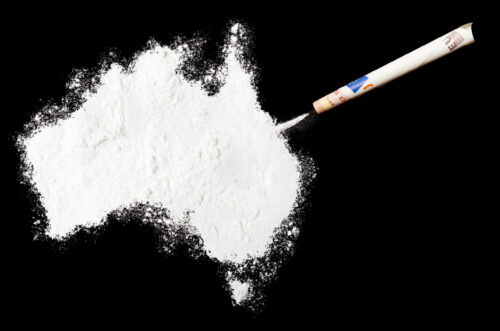
 Figure 1 – Australia’s relationship with drugs
Australia has had a long and continuous battle with drugs. Yet, the industry is currently escalating to globally unparalleled levels, with large-scale cocaine smuggling cases proliferating to match unprecedented demand. Within Australia, the drug industry traces its origins back to the federation’s formation, and is the largest market for illegal money and criminal activity, generating billions in annual revenue. However, current understandings of addiction have changed the conversation. Globally, decriminalisation and legalisation have been trialled and implemented, laying potential foundations for an Australian approach.
Drug culture has been a volatile and persistent part of Australia for decades, but it has currently reached an unprecedented high. Two weeks ago, nine men were arrested for allegedly attempting to smuggle 3.5 tonnes of cocaine through the Bass Strait to Australia. Just last week, six crew members aboard the MV Raider vessel were intercepted by the French Polynesian Maritime Police and charged with attempting to smuggle in one ton of cocaine. Specifically, the MV Raider was modified to have three separate hiding places, demonstrating how the Australian market is lucrative enough for criminal organisations to invest in modified vessels.
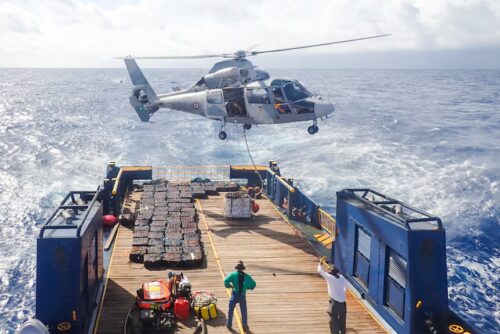 Figure 2 – French armed forces in action during the MV Raider Cocaine drug bust
Currently, Australians are amongst the world’s biggest users of cocaine per capita and the world’s biggest users of ecstasy. 22.2 tonnes of illicit substances were consumed from 2023-2024, with a street value of $11.5 billion, a figure that has since increased by 34% across Australia, especially across the four major drugs: methylamphetamine (by 21%), MDMA (by 49%), heroin (by 14%), and cocaine (by 69%). However, cannabis continues to be the most popular substance, which can be obtained legally for medicinal purposes since 2016. Meanwhile, the proportion of cocaine usage among youth also almost doubled from 2013 to 2023.
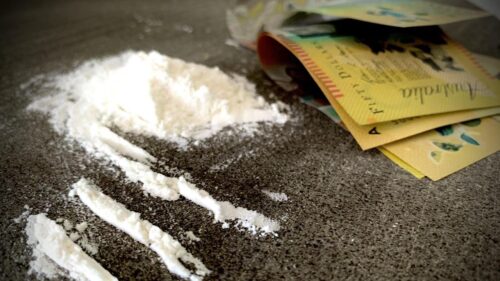 Figure 3 – Australia’s illicit drug problem is getting worse
There are many factors contributing to this current rise in drug use. Firstly, there are growing transnational and domestic drug-organised crime groups, which, post-COVID, have manufactured a growing demand for illicit substances. Alongside this, another major factor is the rising cost of living. Australia is now one of the most expensive countries in the world, with food, rent, and other necessities at an all-time high. Such times of economic stress directly induce increased psychological distress. When this is coupled with evidence indicating that people become more vulnerable to drugs during times of instability, we see a direct link here.
Despite having one of the highest prices for drugs in the world, especially for cocaine, the predatory nature of the industry continues to target financially vulnerable and unstable people, particularly the youth. Notably, this is also correlated with rises in crime rates, where criminal activity is commonly found in conjunction with drug use. However, evidence has indicated that overall drug-induced mortality has decreased, which can be attributed to the production of Naloxone, a life-saving medication that rapidly reverses overdoses, and increases in education surrounding the nature of overdoses.
The issue of drugs has a long-standing and highly complex history in Australia, spanning nearly 3 centuries since the era of early British colonialism. Whilst the specific timeframe in which drugs entered Australia is unclear, it is estimated to be associated with the international opium trade boom in the 19th century. Following a spike in the production of opium by British colonialists targeted for sale in China, a huge influx of Chinese immigration resulted in that opium being brought by immigrants arriving in Australia following labour shortages in the colonies, alongside the early gold rush. As a result, opium began being consumed in several forms across Australia in the late 1800s through to the 1900s, either by being smoked or in pills and tablets.
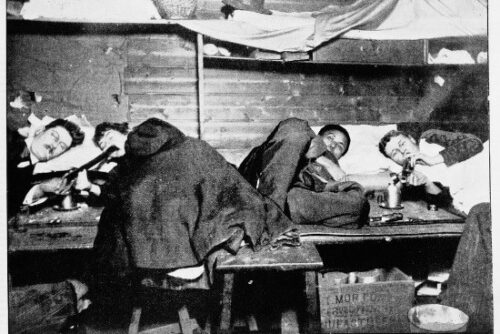 Figure 4 – A Melbourne opium den in 1896
However, when opium and its derived products (like heroin) became regulated only for medical use, smuggling operations arose nearly immediately, with 188 smugglers being arrested in the first year of prohibition in 1905. Following the First World War, the issue worsened when soldiers were prescribed opiate painkillers by the medical corps for their combat wounds, and were kept addicted on return by chemists who falsified prescriptions. Furthermore, smuggling increased with the normalised consumption of cannabis, cocaine, and LSD from US Vietnam War veterans, alongside Australia becoming a prime target for international drug smuggling rings from China, South America, and Mexico.
As a result, in the modern age, consumption remains prevalent despite various regulation efforts, with nearly 18% of people aged 14 or over having reported consuming an illicit drug from 2022-2023. However, the modern drug problem is not just characterised by its frequency, but also the cultural elements they are associated with, especially in corporate working culture, parties, and music festivals. Drug abuse, especially of cocaine, is intertwined in the culture of many professionals working in the banking, finance, and legal industries, where it can become an easy vice for those facing long working hours and toxic, high-pressure working environments. A similar story exists in music festivals and rave culture, a near-perfect situation for drug consumption from reduced inhibitions and desired sensory enhancement. According to a survey conducted by Monash University in 2023, nearly half of festival attendees reported recently using drugs, alongside expressed intent to use again.
 Figure 5 – Ultra Australia, an annual music festival with over 40,000 attendants
Despite this turbulent relationship Australia has had with drugs over the centuries, in the 21st century, our country has begun to slowly transition from perceiving drug usage as a criminal issue to one of health. As a result, numerous initiatives and policies have been implemented, such as pill testing at festivals being trialled in Victoria and New South Wales, Canberra decriminalizing small amounts of drugs, and the legalization of medicinal cannabis in 2016.
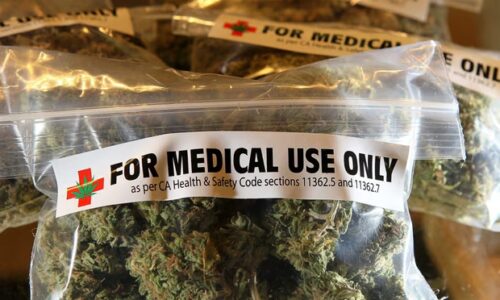 Figure 6 – Medicinal Cannabis has now been legal in Australia for a decade
Within the last nine months, the decriminalisation of cannabis for personal and non-medical use was labelled “inevitable” by politicians in New South Wales, with 6 out of 7 committee members backing the recommendation for its legalisation. One of the major justifications behind this support would be how the creation of a legal market for recreational use can potentially ensure the safety of citizens through a regulated system. Currently, the black market for illicit substances costs Australia up to $16.5 billion per year. If cannabis were in fact legalised, billions of dollars could be put to better use, rather than combating drug-based organised crime. Despite this, the recommendation was not adopted by the government.
As Australia hesitates, however, many other countries have charged ahead with their own approaches to cannabis legalisation. In the US, cannabis is currently legal in 24 states, which have accrued $20 billion in state tax revenue since 2014, contributing to funding education and anti-bullying programs, the construction of schools and libraries, alongside initiatives for drug and alcohol treatment. Meanwhile, the legalisation of cannabis in Germany in 2024 has shown mixed results, with Federal Health Minister Nina Warken claiming that “early intervention programmes designed to prevent children and young people from using drugs are in sharp decline”, a discouraging assessment. Additionally, German police have reported difficulties in prosecuting the possession of illegal cannabis due to the complexity of regulations surrounding legal versus illegal possession and production.
 Figure 7 – Nina Warken condemns the legalisation of weed in Germany
Nevertheless, the youth consumption of cannabis has been steadily falling since 2019 in Germany. According to Jörg Kinzig, the professor of criminology at the University of Tübingen, “an increase in consumption [of cannabis] that could be attributed to the reform is not apparent at this stage.” Additionally, his research suggests that the black market in Germany has declined. However, when looking at Thailand, we see a key example of an unsuccessful legalisation of cannabis, where the country acted to re-criminalise the substance after only three years of implementing recreational marijuana systems. Such turnaround reforms, according to Health Minister Somsak Thepsutin, were introduced to improve public health and safeguard youth, alluding to the harmful effects of legalisation domestically. Additionally, Thailand’s legalisation was also criticised globally as it resulted in the country becoming an origin point for cannabis being smuggled worldwide.
Since the introduction of illicit drugs to Australia in the 19th century, law enforcement has had a lot to do. Today, with the prevalence of drugs as a party substance throughout Australia in conjunction with the rise in organised crime, Australia faces two real problems: How it will combat the black market for hard substances, and whether cannabis should be legalised to do so. There is no doubt about it, the legalisation of cannabis is a nuanced issue. As Australia moves to favour public health over criminalisation, many benefits of the legalisation of cannabis are felt worldwide, but many globally observed downsides must also be considered.
The CAINZ Digest is published by CAINZ, a student society affiliated with the Faculty of Business at the University of Melbourne. Opinions published are not necessarily those of the publishers, printers or editors. CAINZ and the University of Melbourne do not accept any responsibility for the accuracy of information contained in the publication.